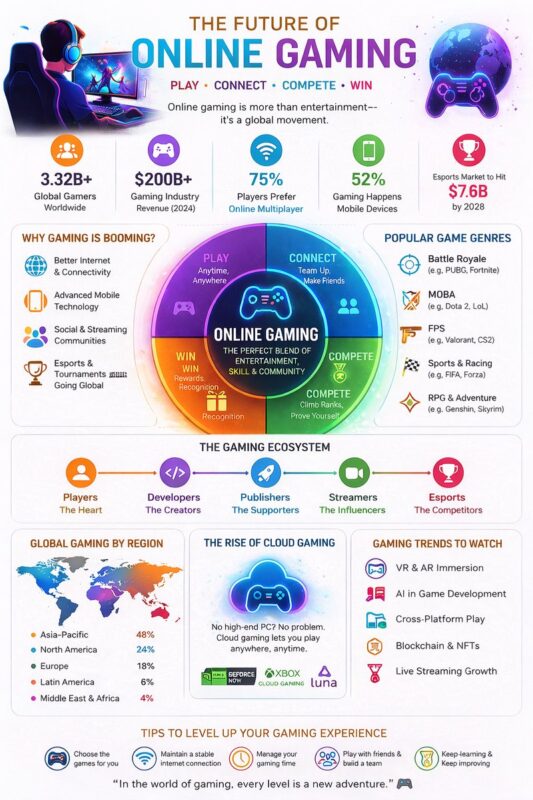

When the first iPhone hit the market in 2007, mobile gaming was still a niche hobby. Today, a single app can rack up more than 1 billion downloads a year, surpassing the combined revenue of all console titles in 2019. That shift isn’t just about numbers; it’s rewriting how we think about entertainment spaces.
Instant Accessibility Meets Personalization
Mobile devices are everywhere, so game designers have turned that ubiquity into a feature. A 2023 survey found that 78 % of players start a new title within five minutes of opening it. That’s because developers embed adaptive tutorials that adjust to a player’s skill level in real time. If you’re a casual gamer, the app will focus on quick, pick‑up challenges. If you’re a competitive player, it will route you straight to ranked modes. The result is a seamless entry point that keeps users engaged longer than traditional launchers.

Cloud Play: The New Console Experience
Streaming technology has made it possible to play high‑end games on a phone with less than 10 Mbps. In 2024, a flagship cloud service delivered a 60 fps, 1080p experience to 15 million users in the first quarter. That means you can pick up a console‑quality title on the subway, pause it, and resume at home without a single download. For developers, this opens a new revenue model: subscription tiers that bundle exclusive titles, rather than relying on one‑off purchases.
Micro‑transactions, Not Micro‑games
The micro‑transaction model has evolved from “buy a skin” to “buy a feature that changes gameplay.” A 2022 analysis of top mobile titles revealed that 45 % of revenue came from “season passes” that unlock new levels over a 90‑day period. Players who spend on these passes report a 23 % increase in daily playtime. The downside? The same model can push younger audiences toward spending before they fully understand the cost structure, raising ethical concerns for publishers.
Social Integration Turns Players Into Communities
Modern mobile games embed social feeds, cross‑platform leaderboards, and real‑time voice chat. One title reported a 37 % spike in user retention after adding a community event that required collaboration across regions. Yet, the reliance on constant connectivity can alienate users in low‑bandwidth areas, limiting global reach.
From Screens to Real‑World Interaction
Augmented reality (AR) has taken the next step. A 2024 release used depth‑sensing cameras to place virtual creatures in a player’s living room, generating a 12 % increase in session length compared to its 2D counterpart. However, the need for a high‑resolution camera and steady lighting means that not every device can support the same level of immersion.
How Mobile Gaming Is Shaping the Future of Virtual Entertainment
Beyond pure gameplay, mobile platforms are becoming hubs for streaming, social media, and even virtual events. The same infrastructure that supports instant downloads now hosts live concerts, esports tournaments, and virtual reality meetups. This convergence is blurring the line between “gaming” and “entertainment” as a whole.
For those who want to see how these trends translate into online gaming experiences, check out https://secondhandtack-online.co.uk/ for a curated look at the latest in virtual entertainment.
Looking Ahead: What’s Next?
Predictors say that by 2028, 70 % of new game releases will be cloud‑first titles, and 55 % of mobile users will have at least one subscription to a gaming service. The challenge for developers will be to balance monetization with user trust, ensuring that the next generation of players feels both empowered and protected.
Final Thought
Mobile gaming has moved from a side activity to the core of how we consume digital entertainment. Its blend of accessibility, cloud power, and social connectivity is setting the stage for a future where the line between game and experience keeps dissolving.
Frequently Asked Questions
Why has mobile gaming grown so fast?
Because smartphones are everywhere, offering instant access and personalized gameplay that appeals to a wide audience.
What makes mobile games more engaging than console titles?
They combine convenience, social features, and regular updates, keeping players hooked with fresh content.
Can mobile games rival big-budget console games?
Yes, many mobile titles now rival or exceed console revenue, especially with in-app purchases and global reach.